In 2002 the Aldinga Arts EcoVillage site was characterised by having severely degraded, weed-infested soil. Some remnant vegetation along former fence lines was retained but most vegetation was cleared during construction and engineering. Old farm buildings provided shelter for native and feral pigeons. There were few other bird species.
A Vegetation Plan was seen as one of the first ways the new community could get involved in Village development and planting began as soon as site works were underway. The vegetation plan focussed on establishing local plant species as a strategy to regenerate the soil and build habitat for local fauna. Extensive planting occurred on roadside mounds, with corridors of native vegetation established to link storm-water retention ponds. Thousands of trees and lower story vegetation were planted with some seedlings grown on site and many bought from local growers. Truckloads of compost and mulch were added annually. Hand watering of most plants occurred during their first few summers to help them get established. Planting progressed even as houses were being built.
Birds and other fauna quickly responded to the growth of vegetation. As the landscape matured more birds migrated into the Village. Community members added nesting boxes to tall trees to support smaller species. Garden ponds and birdbaths also helped support our birdlife.
The initial Vegetation Plan was revised in 2012 with some additional, native species added to the landscape to provide diversity, colour and give greater resilience for climate change.
In the years that followed ‘people-power’ saved Bowering Hill on the northern boundary of the Village from proposed development. Many Villagers participated in working bees to plant the hill, the Willunga Creek-line and the diamonds with indigenous trees, shrubs and ground covers. Importantly this now provides extra food, shade, nesting places and shelter for many of the birds that inhabit and visit the Village. On the 1st July 2023 Bowering Hill was declared a Conservation Park under the auspices of The Department of Environment and Water, protecting it in perpetuity.
Community members keep records of bird species sighted within the Village. Many species have been identified, a number of which are currently listed as critically endangered, near threatened, vulnerable or rare in our region. Village Bylaws require cats and dogs to be restrained, thus removing one of the significant threats to birds, although cats from neighbouring residential developments are a danger to our birds. The Village also avoids the use of pesticides and rodenticides which can infest the food chain.
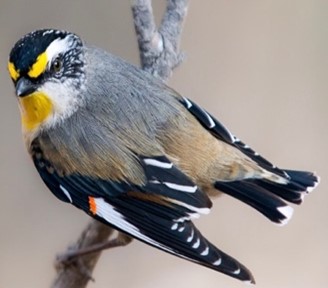
The survival of our local bird population is dependent on a lot of things, one of these being their symbiotic relationship with our native vegetation. Some examples of this are the small Striated Pardalotes who remove the lerps from the Eucalypts and all the Honeyeaters that improve the sustainability of our flowering plants. Planting native grasses in our gardens and on our common land will also help the survival of the delightful ‘near threatened’ tiny seed eating Red-browed Finches. Maintaining a healthy biodiversity of native flora is crucial for an ongoing relationship with all our ‘feathered friends’.
“Everyone likes birds. What wild creature is more accessible to our eyes and ears, as close to us and everyone in the world, as universal as a bird?”
– Sir David Attenborough
August 2024